

 Instagram
 Facebook
 LinkedIn
The Science of Lightness
It is now widely recognized that not all waters are created equal. This is especially evident in fine dining, where water selection has become an essential part of the gastronomic experience, complete with dedicated water menus and curated pairings.
Yet when it comes to choosing, do we truly understand what sets an oligomineral water apart? Behind this familiar term lies a precise characteristic that defines the core identity of the water.
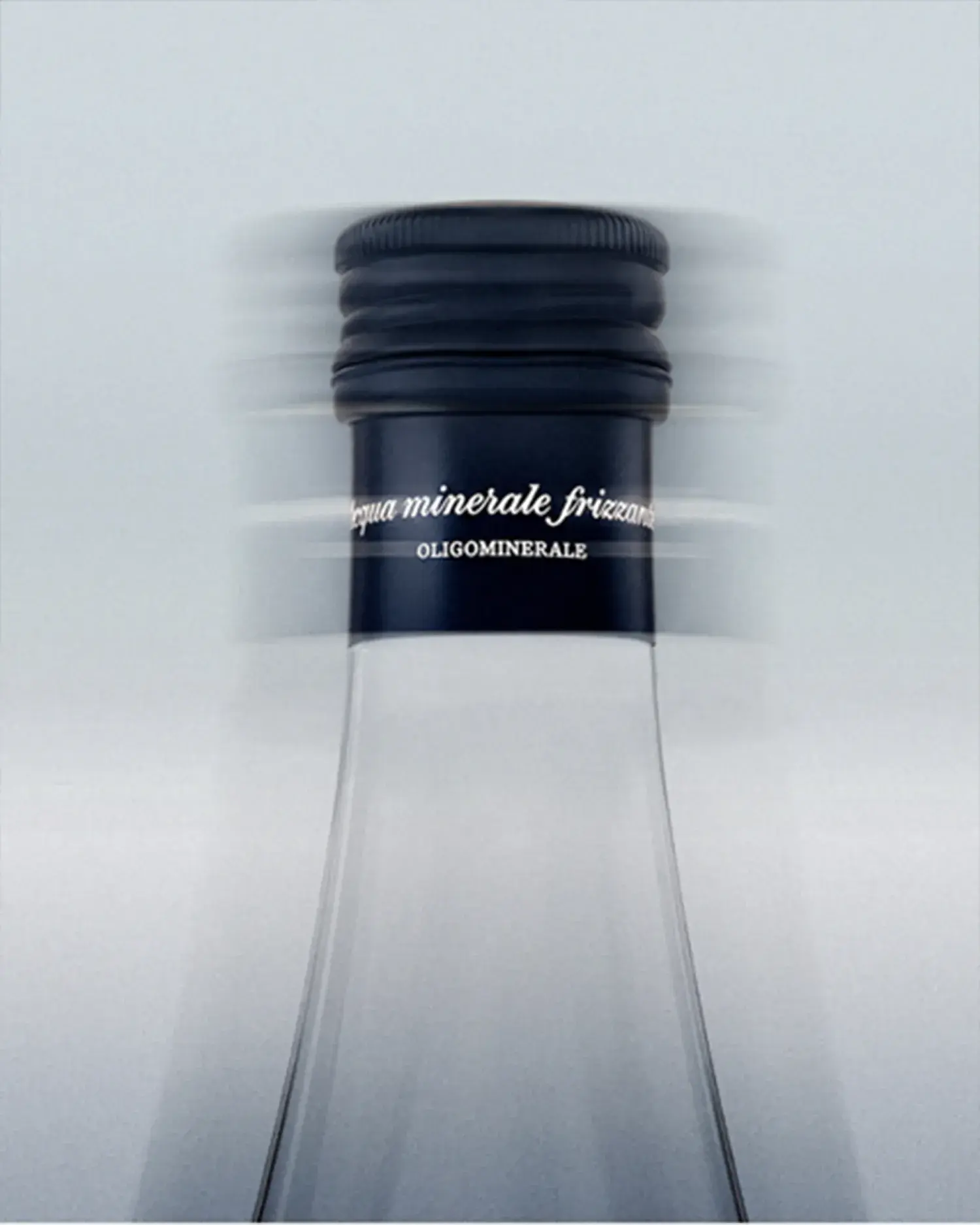
What does oligomineral water mean?
The meaning of oligomineral water is rooted in its etymology. The prefix oligo- comes from the ancient Greek oligos, meaning "few" or "little." An oligomineral water is therefore defined by low mineralization—a relatively low concentration of dissolved mineral salts.
This characteristic is measured by a standard parameter: Total Dissolved Solids (TDS) at 180 °C (often referred to as dry residue). This value indicates the amount of minerals (such as calcium, sodium, magnesium, potassium, and silica) remaining as a solid deposit after one liter of water is completely evaporated at 180 °C. The lower the TDS, the lighter the water’s mineral profile.
Under regulatory standards, natural mineral waters are classified based on this metric into four main categories:
ery low mineral content (TDS up to 50 mg/L): an exceptionally light water, virtually free of mineral salts.
Low mineral content / Oligomineral (TDS between 50 and 500 mg/L): waters characterized by moderate, balanced mineralization—the category to which Acqua Fiuggi belongs.
Medium mineral content (TDS between 500 and 1500 mg/L): waters with a more pronounced concentration of mineral salts and a distinct flavor profile.
High mineral content (TDS above 1500 mg/L): heavily mineralized waters, typically consumed for specific therapeutic or dietary purposes.
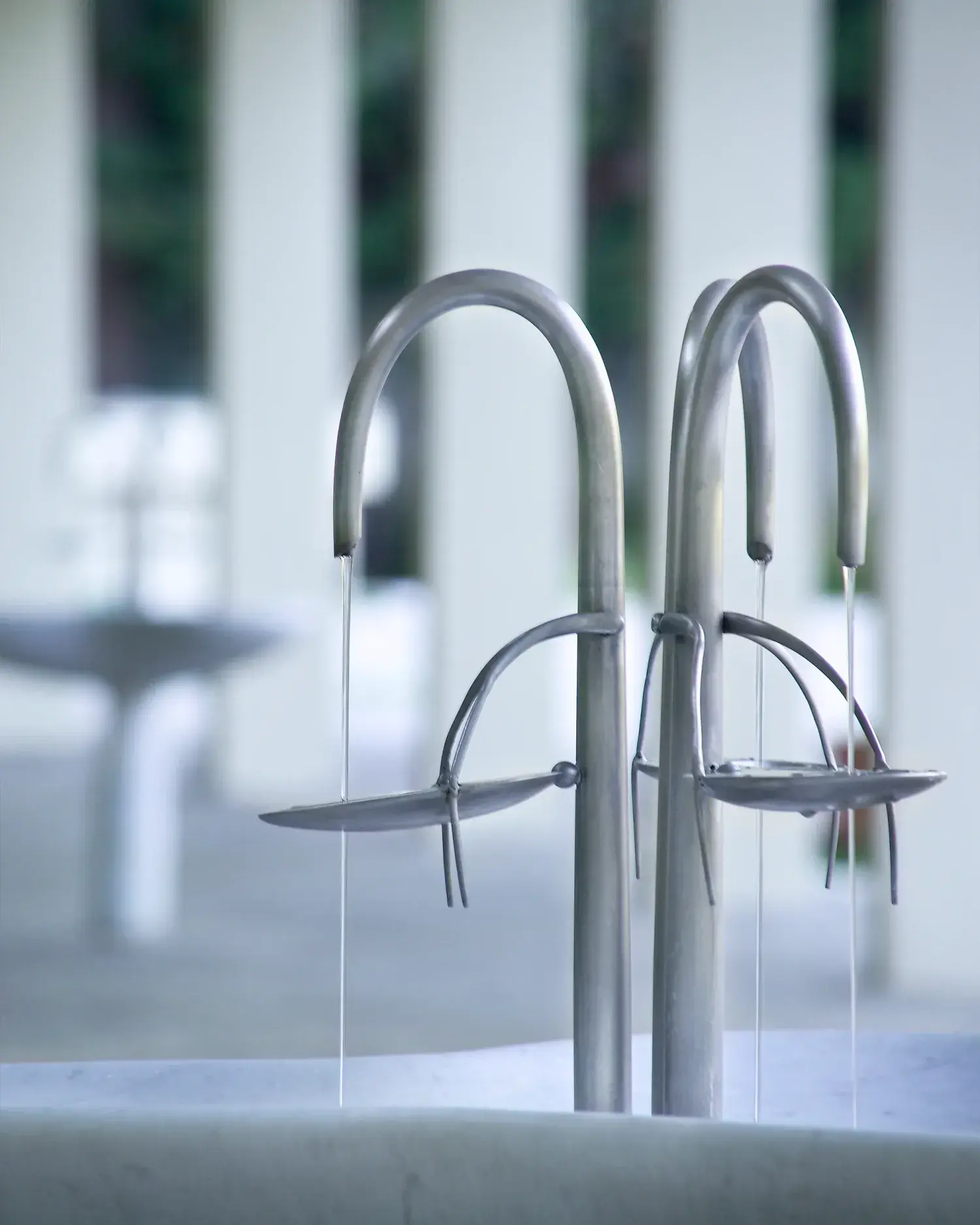
Acqua Fiuggi and Total Dissolved Solids
With a TDS at 180 °C of 150 mg/L, Acqua Fiuggi sits within the oligomineral category. The absence of heavy mineral concentrations yields an exceptionally smooth, clean sip. This quality makes it remarkably versatile for daily hydration and dining, where its subtle profile complements culinary flavors without overpowering them.
However, TDS only tells part of the story. While it measures overall mineralization, it does not detail which specific minerals are present or in what proportions. Two waters with identical TDS readings can feature entirely different mineral structures—and, as a result, markedly different sensory profiles.
The label of Acqua Fiuggi offers a clear illustration: beyond its low TDS, several key values define its unique balance.
Low sodium (8.10 mg/L): well below the 20 mg/L threshold established for low-sodium diets.
Low hardness (9 °F) and a near-neutral pH (7.47): two factors that contribute to its silky, delicate mouthfeel.
Naturally occurring calcium (25 mg/L), magnesium (7.80 mg/L), and potassium (9.50 mg/L): essential minerals that complete its composition and create its harmonious mineral balance.
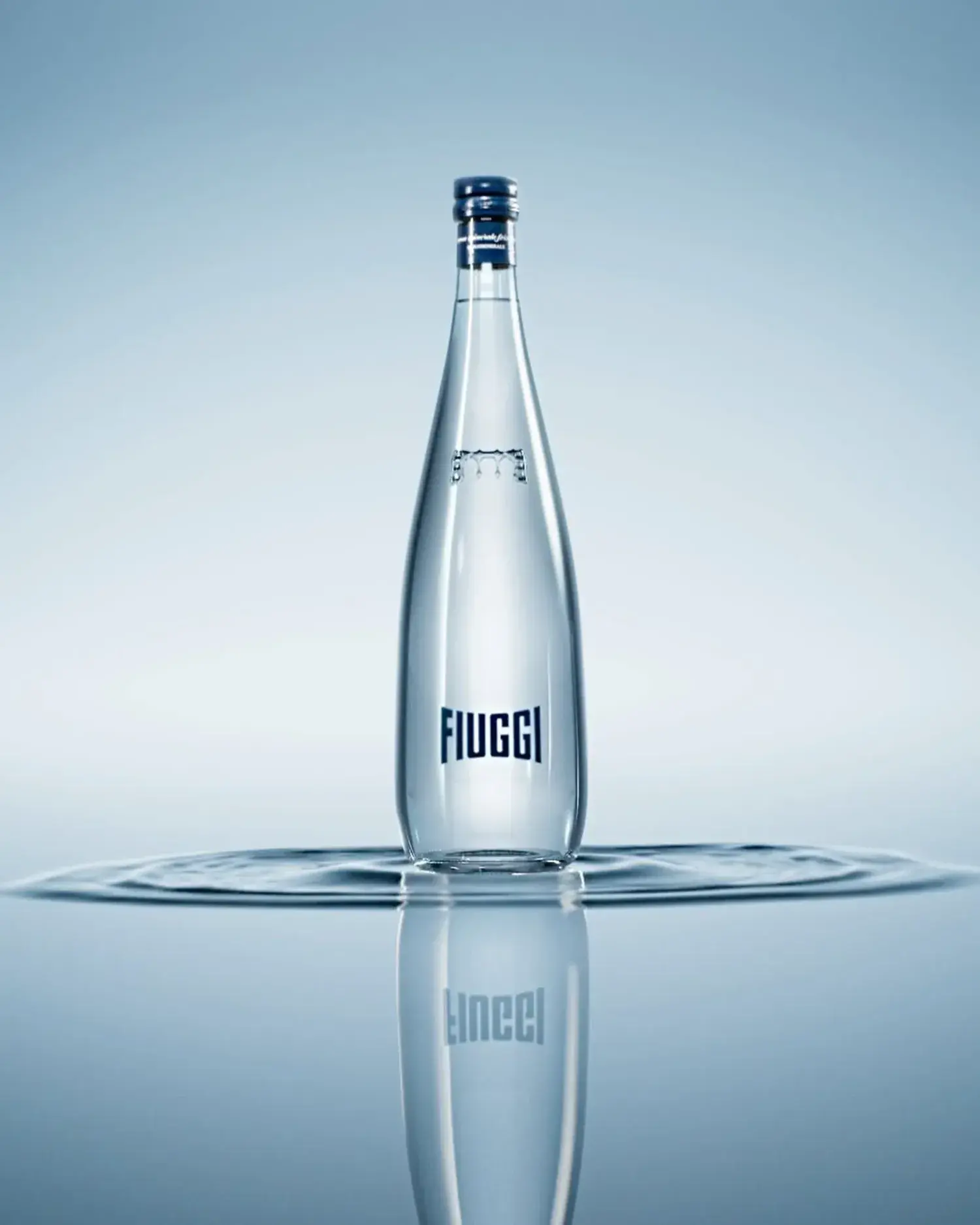
These qualities are not accidental; they are directly shaped by the environment from which the water originates. The geological makeup of the soil and the water's prolonged journey deep underground define its mineral fingerprint and identity over time.
In the case of Acqua Fiuggi, this balance comes to life in the Monti Ernici region, where natural filtration through ancient rock strata gives the water its distinct composition and the signature lightness that has defined its springs for centuries.