

 Instagram
  Facebook
  LinkedIn
 World Water Day
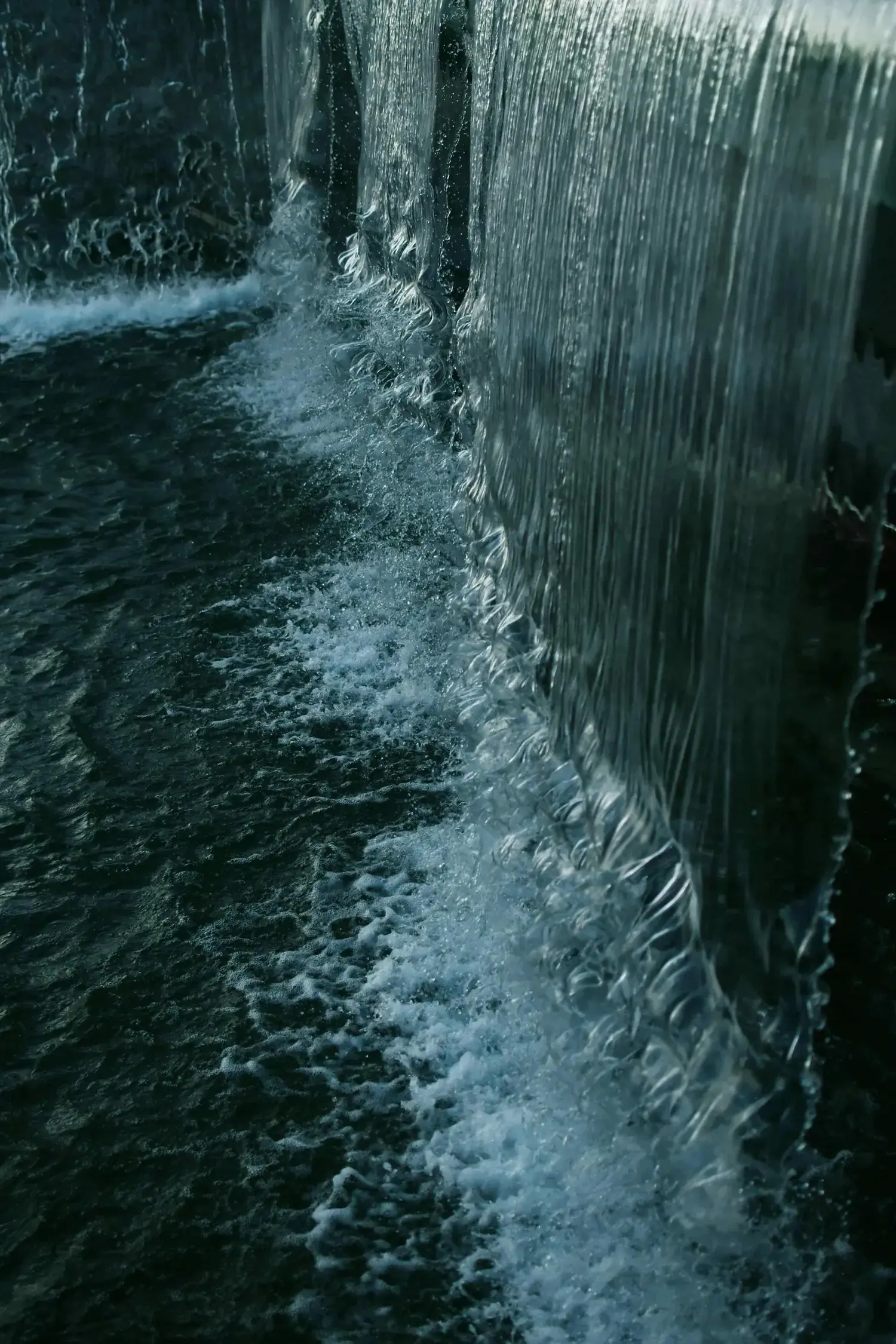
We are used to calling Earth the "Blue Planet," and perhaps this is why it feels natural to think of water as an infinite resource, always at our disposal. Yet, the numbers tell a different story: only 2.5% of the water on Earth is fresh, and a mere 0.5% is truly accessible and usable. Everything that nourishes, quenches, and sustains life depends on this infinitesimal, pure fraction.
It is precisely from this awareness that World Water Day was born. Established by the United Nations in 1992 and celebrated every year on March 22nd, it serves to draw attention back to the value of water and the need to protect it through concrete choices, every single day.
On the occasion of this anniversary, we at Acqua Fiuggi want to open a space for storytelling and reflection on the value of water, sharing our daily commitment to its protection.
How Acqua Fiuggi protects water in production processes
For Acqua Fiuggi, water protection takes shape right within our production processes, through deliberate choices and technologies designed to reduce waste, optimize resources, and turn efficiency into a concrete form of responsibility.
A significant example can be found during the bottling stage, which today represents one of the most virtuous steps in the entire supply chain.
Our new production lines for glass bottles adopt a double-rinse system: a first wash with ozonated water, followed by a second pass with pure mineral water. The mineral water used in this phase is recovered, re-ozonated, and reused in the subsequent cycle as the water for the first wash.
Thanks to this technology, Acqua Fiuggi manages to save approximately 22 million liters of water every year.
But our commitment to the environment embraces the entire production cycle. Rigorous sustainability measures are also adopted for our plastic lines through the use of rPET (recycled PET) plastic, thereby reducing our impact on the ecosystem and promoting a circular economy.
For us, this integrated approach is a highly valuable achievement. Beyond making production more efficient, it allows us to treat with profound respect the environment and its rarest resources, which, even today, are not always available in many parts of the world.
Global access to water: an uphill battle
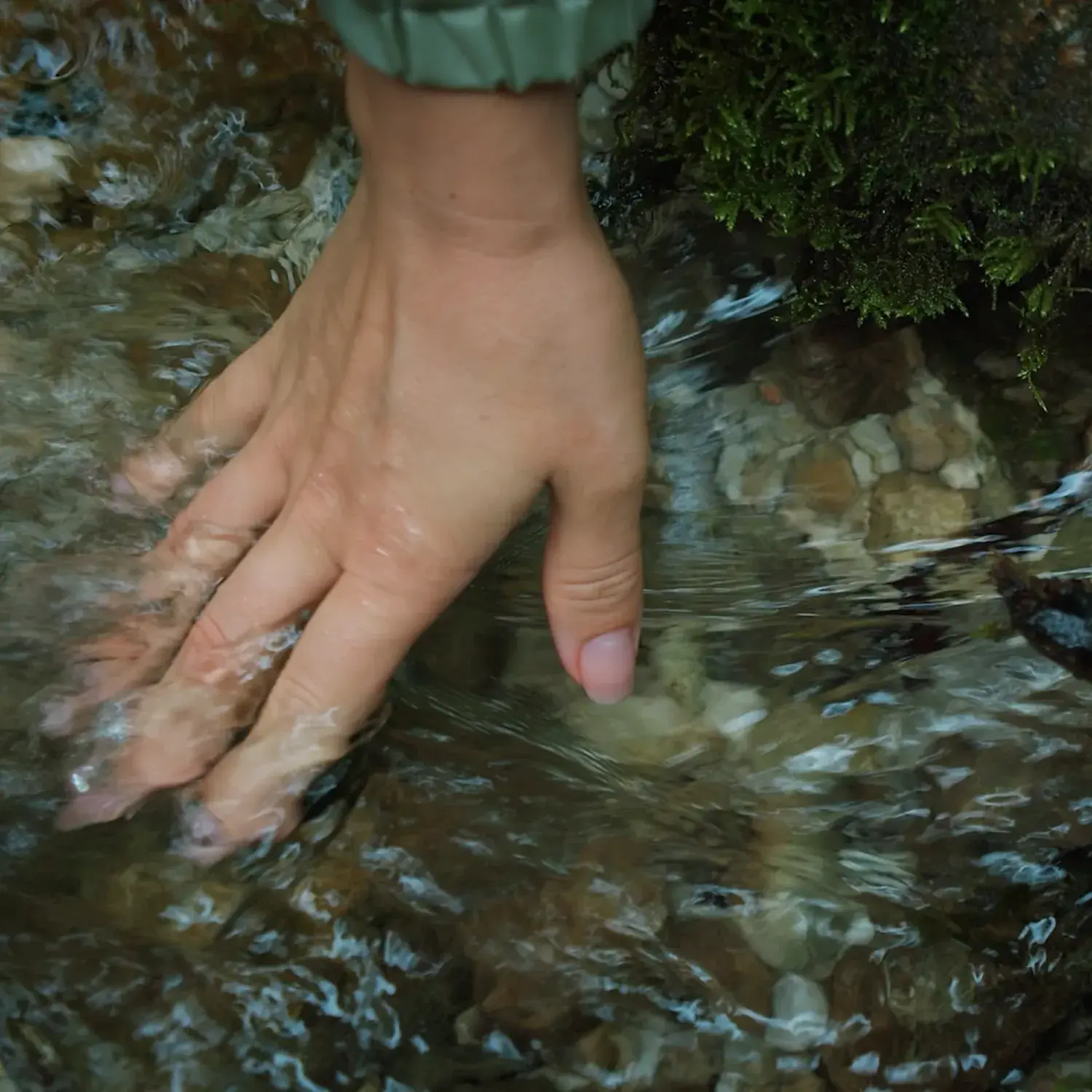
Turning on the tap or opening a bottle is such a natural reflex that it makes us forget a simple truth: access to clean water is a privilege, not a guarantee shared everywhere.
If we look beyond our borders, the data paints a picture that invites profound reflection:
- Approximately half of the world's population experiences forms of severe water scarcity for at least part of the year.
- 287 million people only have limited water services: access is not in the home, or it is not stable and reliable.
- 302 million people still depend on unimproved sources, that is, inadequately protected and with insufficient safety standards.
At first glance, this scenario may seem critical. And partly, it is. But to gain a more complete picture, it is essential to also look at the progress that has been made. The numbers tell us that the world, albeit at its own pace, is moving in the right direction.
Today, in fact, the global coverage of safely managed drinking water services has reached 74% (up from 68% in 2015). In less than a decade, nearly a billion people have gained stable access to this resource. This is a real milestone, showing us how far we have come and how crucial it is to continue investing, innovating, and, above all, building a true culture of water.
How much water is consumed in Italy
If water remains difficult to access in many areas of the world, a question naturally arises: why do we continue to waste it where it is abundant?
The answer largely lies in our perception. We often completely ignore how much water we use and, consequently, how much we waste.
According to the Water Study 2025, 1 in 3 Italians believes they use less than 10 liters of water a day, a perception incredibly far from actual consumption. Looking at the latest ISTAT data, the perspective changes radically:
- Direct Domestic Use: estimated at a net consumption of 174 liters per capita per day.
- Total Water Footprint: when including the "invisible water" needed to produce the food, goods, and services we use, the figure jumps to a staggering 6,300 liters per inhabitant per day.
This impressive volume of water reveals a fundamental truth: almost all of this consumption does not happen in our homes, but upstream, in the production chains that generate what we buy. This is why the protection of this resource can no longer be considered an exclusively "private" matter, entrusted solely to common sense and small individual gestures. It becomes, in all respects, a responsibility that companies must take on firsthand.
It is precisely in this direction that Acqua Fiuggi's commitment fits. For us, protecting water means taking care of it every day, even in the least visible stages, transforming attention, technology, and responsibility into concrete actions. Because the value of water is also measured like this: in the respect with which it is safeguarded, in the awareness with which it is used, and in the vision with which we choose to look to the future.